

Best Pool Deck Coating Options for Homes with Heavy Foot Traffic

If your pool deck gets a lot of use—kids running around, guests coming over on weekends, pets slipping in and out of the shade—you already know it takes a beating. Between constant foot traffic, water splashes, and harsh sun, it doesn’t take long before a plain concrete surface starts looking worn out, faded, or even a little unsafe.
That’s why more homeowners are exploring durable coating solutions. Interestingly, many of the same materials used in garage floor coating are also becoming popular for pool decks because they’re strong, low-maintenance, and built for heavy use.
Let’s walk through what actually works and what to consider if you want something that lasts.
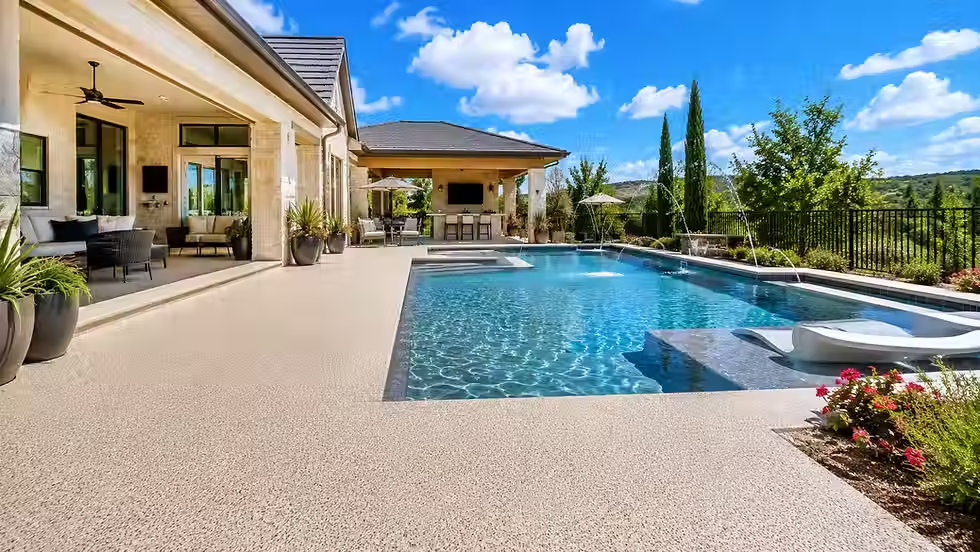
Why Pool Deck Coating Matters More Than You Think
A pool deck isn’t just a decorative space—it’s a high-traffic, high-exposure area. It deals with:
Constant sunlight
Pool chemicals like chlorine
Wet, slippery surfaces
Heavy foot traffic
Over time, untreated concrete starts to crack, fade, and become harder to clean. A good coating protects the surface while also making it safer and more comfortable to walk on.
This is one reason homeowners who already know about garage floor coating in DFW often apply similar solutions to outdoor areas.
Epoxy vs Polyaspartic: What Actually Works Best
When it comes to pool decks, not all coatings behave the same.
Epoxy coatings are strong and durable, but they can struggle under extreme sun exposure. On the other hand, polyaspartic coatings handle UV rays much better and don’t yellow or fade as easily.
That’s why many professionals now recommend hybrid systems that combine strength with UV resistance.
If you’re already familiar with the best concrete coating for a garage, you’ll notice the same principles apply outdoors—durability, slip resistance, and long-term protection matter most.
Heat Is the Real Challenge in Texas
Anyone living in Texas knows how intense the heat can get. Pool decks in direct sunlight can become uncomfortable or even unsafe to walk on barefoot.
So a big question homeowners ask is: how to prevent garage floor coatings in Texas heat from failing or breaking down?
Even though this question usually comes up with garages, the same issue applies to pool decks. Heat can cause:
Surface fading
Expansion and minor cracking
Reduced coating lifespan
To handle this, professionals often recommend:
UV-resistant polyaspartic coatings
Light-colored finishes that reflect heat
Proper surface prep before application
Anti-slip additives for safety
It’s not just about looks—it’s about making sure the surface stays usable in extreme temperatures.
Why Garage Floor Coating Knowledge Helps Here
You might wonder why we’re talking so much about garage floor coating for a pool deck. The reason is simple: the technology overlaps.
Both surfaces need:
Strong adhesion to concrete
Resistance to moisture and chemicals
Easy cleaning and maintenance
Long-term durability under heavy use
In fact, many homeowners who invest in garage floor coating in DFW often extend the same finish to patios and pool decks because it creates a consistent, durable surface across outdoor spaces.
Safety First: Slip Resistance Matters
A pool deck should look good, but safety always comes first.
Bare concrete can become slippery when wet, which is the last thing you want around a swimming area. That’s why textured coatings or additives are often included.
A properly installed coating:
Reduces slipping risks
Improves grip under wet conditions
Makes the surface safer for kids and guests
This is one of those details that doesn’t seem important until it really is.
Maintenance Is Surprisingly Simple
One of the biggest benefits of coating a pool deck is how easy it becomes to maintain.
Instead of scrubbing stains into porous concrete, you can usually:
Hose it down
Use mild soap for cleaning
Avoid deep scrubbing or harsh chemicals
This low-maintenance advantage is similar to what homeowners enjoy with garage floor coating systems—less effort, more durability.
What About Garage Floor Coating Cost?
A common question homeowners have is about garage floor coating cost, and while prices vary, the same thinking applies to pool decks.
Cost depends on:
Surface size
Condition of existing concrete
Type of coating system used
Level of surface preparation required
While it may feel like a bigger upfront investment, most homeowners see it as long-term value. A well-done coating reduces repairs, improves safety, and extends the life of the concrete.
Choosing the Right Finish for Your Home
The final look of your pool deck matters too. Coatings now come in a variety of finishes:
Stone-like textures
Smooth modern finishes
Decorative flake systems
Natural, matte outdoor looks
The goal is to match your home’s style while still keeping durability at the center.
Many homeowners in Texas choose finishes that blend with outdoor landscaping so the pool area feels like a natural extension of the home.
Final Thoughts
A pool deck goes through a lot more than people realize—sun, water, foot traffic, and constant use. Without protection, it doesn’t take long before it starts showing wear.
That’s why durable coating systems inspired by garage floor coating technology are becoming such a smart choice for outdoor spaces.
Whether you’re already familiar with garage floor coating in DFW, researching the best concrete coating for a garage, or simply trying to understand how to prevent garage floor coatings in Texas heat from failing, the same core idea applies: good preparation and the right material make all the difference.
And while garage floor coating cost can vary, the long-term payoff is a cleaner, safer, and more attractive outdoor space that holds up year after year.
In the end, the best pool deck coating isn’t just about appearance—it’s about creating a space that stays strong, safe, and comfortable no matter how much life happens on it.


Comments