

Common Mistakes During Polyaspartic Installation

If you've been looking into upgrading your garage floor, chances are you've come across polyaspartic coating systems. They've become really popular — and for good reason. Fast curing, seriously durable, and they look great when done right.
But here's the thing most homeowners don't hear upfront: even the best coating can fail if it's not put down properly. A lot of the horror stories you see — peeling floors, uneven finishes, coatings that don't last — come down to mistakes that were completely avoidable. So before you commit to anything, here's what to watch out for.
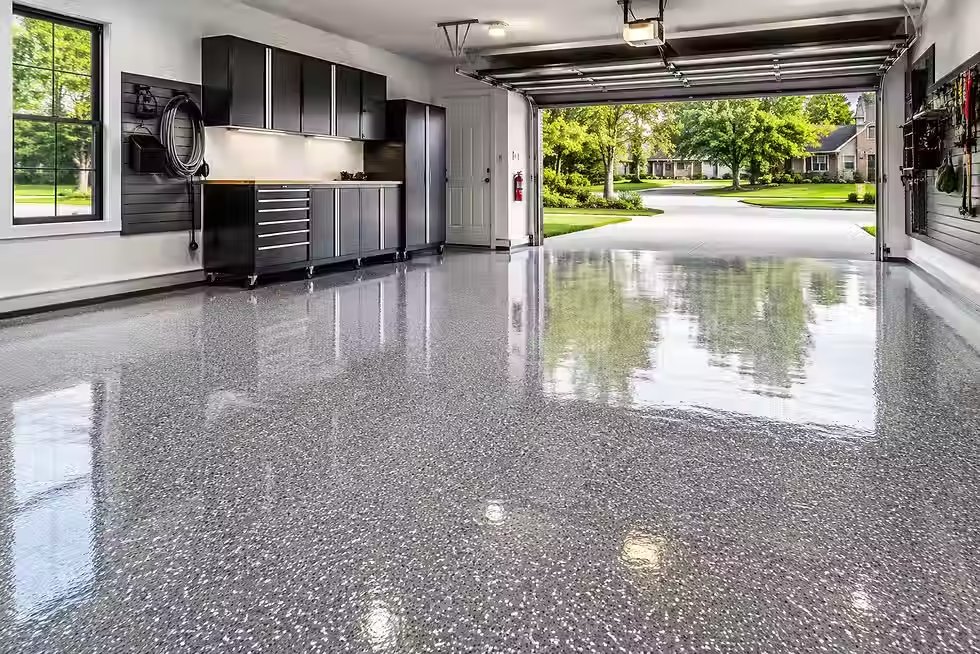
7 Common Mistakes During Polyaspartic Installation
1. Skipping Proper Surface Prep (The Big One)
If there's one thing that determines how long your floor holds up, it's what happens before a single drop of coating goes down.
Concrete needs to be properly cleaned, ground, and repaired before anything is applied. Polyaspartic systems need a solid surface to bond to — skip that step and you're setting the whole job up to fail. Peeling, bubbling, uneven patches — it all traces back to here.
Good installers spend a significant chunk of their time just on prep. That's not them being slow — that's them doing it right.
2. Assuming Polyaspartic and Epoxy Are the Same Thing
They're not, and mixing them up leads to real disappointment.
Epoxy is the older, more traditional option. It takes longer to cure and is more prone to yellowing over time — especially in sunny spots like garages. Polyaspartic cures faster, holds up better against UV, and tends to stay looking sharp much longer.
If you go in expecting one and get the other, you'll notice.
3. Ignoring Temperature and Timing
The fast curing time is one of polyaspartic's best selling points — but it also means there's less room for error during application.
If the temperature isn't right or the installer rushes through the process, the coating won't bond the way it should. Experienced installers know how to read the conditions and adjust accordingly. It's one of those things that sounds minor but makes a big difference in the outcome.
4. Going Too Cheap on Materials
Everyone wants a fair price — that's completely reasonable. But cutting costs too aggressively on the materials themselves usually backfires.
Yes, polyaspartic costs more upfront than basic epoxy. But a cheaper coating that starts peeling or wearing down in a couple of years isn't actually saving you anything. A quality installation done once is almost always less expensive than a cheap one done twice.
5. Only Thinking About How It Looks
Appearance matters, of course. But polyaspartic coatings bring a lot more to the table than just a nice finish.
We're talking about a floor that can cure in a single day, resists chemicals and stains, won't yellow in the sun, and holds up under heavy daily use. When homeowners don't know about these benefits going in, they often underestimate what a proper installation is actually worth.
6. Hiring Someone Who Doesn't Really Know What They're Doing
This is probably where most long-term problems start.
The material can only do so much — if the person applying it doesn't understand mixing ratios, timing, or surface prep, the results will show it. An uneven finish or an early coating failure almost always comes back to the installer, not the product.
It's worth taking the time to find someone who actually knows this system well.
7. Expecting Zero Maintenance Forever
Polyaspartic floors are genuinely low maintenance — but low maintenance isn't the same as no maintenance.
The basics go a long way: clean up spills when they happen, avoid dragging sharp or heavy objects across the surface, and use gentle cleaners. That's really all it takes to keep the floor looking good for years.
Final Thoughts
A polyaspartic garage floor coating is one of the best upgrades you can make for your garage or concrete space—but only when it’s done right. Most problems don’t come from the material itself, but from mistakes during preparation or installation.
Understanding the difference in polyaspartic vs epoxy floor coating, knowing what affects polyaspartic floor coating cost, and choosing experienced installers all play a huge role in long-term performance.
When installed properly, polyaspartic concrete floor coating systems deliver a clean, modern, and incredibly durable surface that lasts for years with minimal maintenance.
If you’re planning an upgrade, working with trusted professionals like American Concrete Coatings ensures your floor is installed correctly, performs long-term, and delivers all the real-world benefits of polyaspartic coatings you’re investing in.


Comments