

Concrete Floor Coating Lifespan: What to Expect in Different Climates

A durable, properly maintained concrete floor can completely transform your garage or basement by providing protection and aesthetic look. But not all the concrete floor coatings are created equal, and their lifespan can vary depending on climate, usage, and maintenance. Having a clear idea of what to expect makes it easier to select the right solution for your home.

Why Concrete Floor Coatings Matter?
Although concrete is sturdy, it is not impervious to deterioration. Over time, the exposed concrete may sustain damage from moisture, temperature changes, chemical spills, and high traffic. Concrete floor coatings for homes or garages can be installed to protect the surface, improve durability, and simplify cleaning.
Durability is crucial when selecting the best concrete coating for garage areas. In addition to making your floor look better, coatings like epoxy, polyaspartic, or polyurethane extend its life by preventing the stains, chipping, and cracking.
Lifespan by Climate
The environment plays a major role in how long your durable concrete garage floor coatings will last:
Hot and Humid Climates: High humidity and heat can cause certain coatings to soften or yellow over time. Polyaspartic coatings often hold up better in these conditions because they resist UV exposure and cure quickly. Regular maintenance will help to maximize longevity.
Cold and Snowy Regions: As concrete expands and contracts during freeze-thaw cycles, poorly applied coatings can crack over time. In colder regions epoxy is the best choice because it bonds well to concrete, though proper installation makes all the difference.
Moderate Climates: When temperatures are mild and humidity is low, the concrete floor coatings usually last much longer—often well beyond 10 to 15 years with the right maintenance.
4 Factors That Affect the Lifespan of Concrete Floor Coating
Several factors influence the longevity of your concrete floor coatings:
Traffic and Usage: Workshops with frequent foot traffic or garages with large vehicles will inevitably sustain more wear.
Surface Preparation: It's important to properly prepare the concrete surface before applying a coating. Any flaws or impurities can reduce the lifespan and decrease the adhesion.
Coating Quality: High-quality residential concrete floor coatings last longer and offer better resistance to chemicals, stains, and scuffs than lower-grade options.
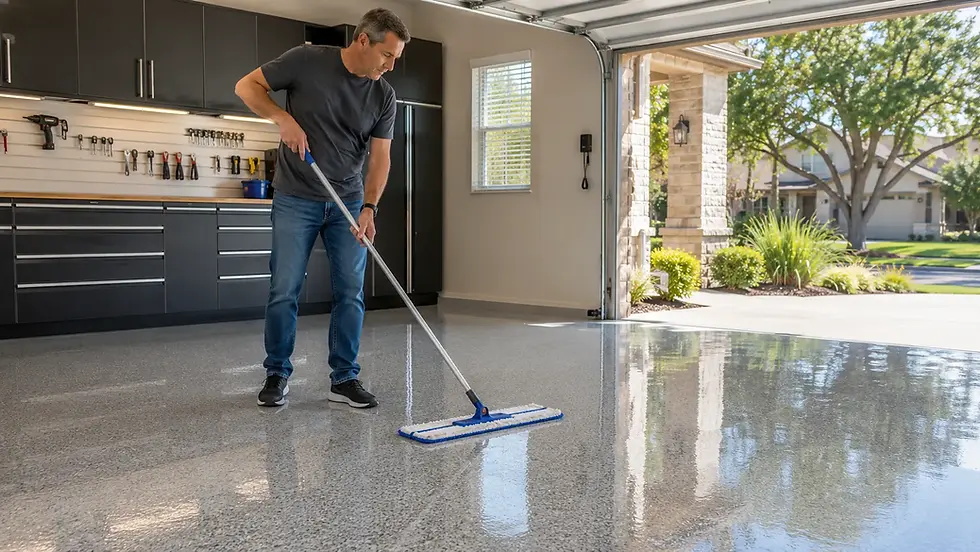
Maintenance: Regular cleaning, avoiding harsh chemicals, and repairing minor damage quickly can extend the life of your garage floor coating significantly.
Choosing the Right Floor Coating
Choosing the right product comes down to match according to your climate, usage, and budget. For garages with heavy vehicles, a durable epoxy or polyaspartic coating may be the best choice. For homeowners who are looking for a stylish with functional finish, decorative flakes or metallic epoxy can combine the aesthetics with durability.
Professional installation is highly recommended to extend the lifespan. Skilled contractors make sure that the surface is properly prepared, applied, and cured—steps that are essential for a durable finish.
Conclusion
Your concrete floor is more than just a base; it’s an investment in your home’s functionality and appearance. Understanding how climate affects the lifespan of concrete floor coatings helps you make smarter choices. From garage floor coating options to durable concrete garage floor coatings, selecting the right product and installation method is key.
For homeowners in Texas and beyond, American Concrete Coatings offers expert guidance and high-quality residential concrete floor coatings. Whether you’re considering the best concrete coating for garage spaces or looking for professional installation, their team ensures long-lasting, beautiful results that protect your floors for years to come.


Comments