

How to Choose the Right Thickness (Mil) for Your Garage Floor Coating?

Updated: Nov 29, 2025
One of the most important but often ignored aspects of garage floor coatings is their thickness, which is expressed in mils (thousandths of an inch). The proper coating thickness can significantly impact longevity, finish, and durability. This is crucial whether you're shielding your garage from tire marks, oil stains, or normal wear and tear.
Selecting the ideal garage coating thickness is especially important if you reside in the Dallas–Fort Worth (DFW) region. Heavy use, Texas weather, and varying humidity can quickly deteriorate an unprotected floor.

Understanding Garage Floor Coating Thickness
A mil is equal to one-thousandth of an inch (0.001 inch). Garage floor coatings usually range from:
4–8 mils for thin, DIY epoxy coatings
10–20 mils for professional-grade coatings
30+ mils for industrial-strength polyurea or polyaspartic systems
The thicker the coating, the better the impact resistance and longevity. However, higher thickness also comes with increased cost. Therefore, understanding your garage’s usage is essential before deciding.
6 Tips to Choose the Right Thickness for Your Garage Floor Coating
1. Evaluate How You Use Your Garage
Your garage’s purpose determines how thick your coating should be:
🧰 Light Use: For basic vehicle storage or light foot traffic, 10–15 mils is sufficient.
🏍️ Moderate Use: If you also use your garage as a workshop, go for 15–25 mils.
🛻 Heavy-Duty Use: For commercial setups or frequent mechanical work, 30+ mils provides long-term strength.
In the DFW climate, where hot summers and cool winters can stress concrete, opting for a slightly thicker coating can prevent cracking and peeling over time.
2. Choose the Right Type of Coating
Different garage floor coating materials perform best at different thicknesses:
Epoxy Coatings
Thickness: 8–15 mils
Ideal for homeowners wanting an affordable, glossy finish
Requires controlled humidity during installation—something to keep in mind for DFW’s changing weather
Polyurea & Polyaspartic Coatings
Thickness: 20–30 mils or more
Excellent chemical, UV, and abrasion resistance
Great for those seeking fast curing times and a longer-lasting solution
Acrylic Sealers
Thickness: 2–5 mils
Used mainly for decorative or temporary finishes
Not suited for heavy vehicles or equipment
For an in-depth comparison between coating types, you can check out Garage Living’s epoxy vs. polyaspartic guide.
3. Inspect Your Concrete Condition
The condition of your existing concrete affects how thick your coating should be:
Smooth, new concrete: Thinner systems (10–15 mils) work well.
Rough or pitted surfaces: Thicker coatings (25–40 mils) help fill imperfections.
Cracked or damaged floors: Multi-layer systems provide structural strength and smoothness.
Proper surface preparation—like grinding or shot blasting—is essential for any coating to bond effectively.
4. Cost vs. Thickness in DFW
The concrete floor coatings price in DFW depends on the type, thickness, and installer quality. Average estimates:
Epoxy Coatings: $4–$6 per sq. ft.
Polyurea/Polyaspartic Systems: $6–$10 per sq. ft.
While thicker coatings may seem more expensive initially, they offer better long-term performance and lower maintenance costs. This makes them a smart investment for homeowners wanting reliable, lasting protection.
5. Don’t Skip the Topcoat
Even with the right thickness, a durable topcoat is vital for maximum protection. A polyaspartic clear coat (4–6 mils) adds gloss and shields your garage from UV damage, chemicals, and scratches. This keeps it looking new for years.
6. Hire Local Experts in DFW
When choosing a garage floor coating in DFW, local experience matters. Professionals familiar with Texas’s temperature swings and concrete conditions will recommend the right product thickness and type for your space.
You can find reliable contractors through HomeAdvisor or other regional directories that list certified garage floor installers in DFW.
The Importance of Proper Installation
Proper installation is crucial for the longevity of your garage floor coating. A poorly applied coating can lead to peeling, bubbling, and other issues. Therefore, hiring experienced professionals is essential. They will ensure that the surface is adequately prepared and that the coating is applied correctly.
Maintenance Tips for Your Garage Floor Coating
Once your garage floor is coated, maintaining it is vital. Here are some tips:
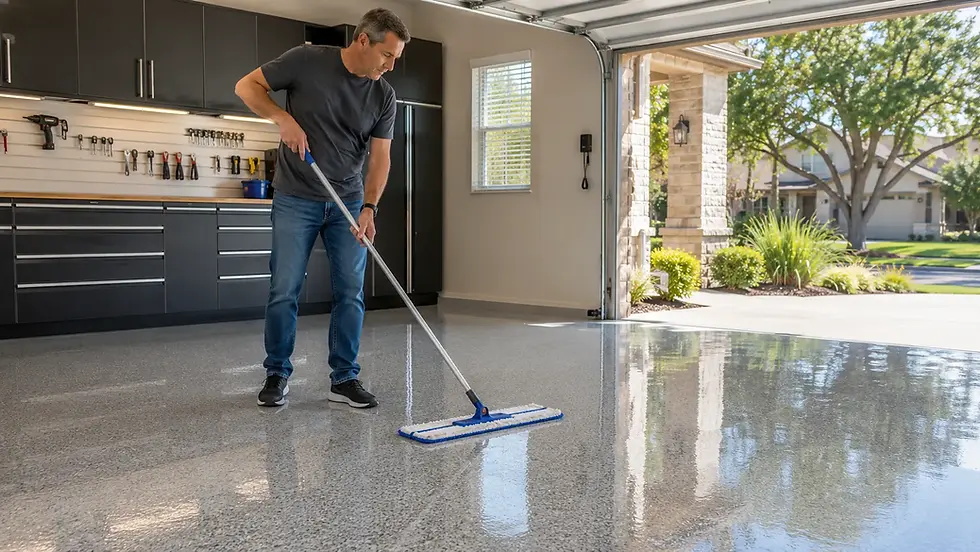
Regular Cleaning: Sweep and mop the floor regularly to remove dirt and debris.
Avoid Harsh Chemicals: Use mild cleaners to prevent damage to the coating.
Inspect for Damage: Regularly check for any signs of wear or damage and address them promptly.
Conclusion
Choosing the right thickness for your garage coating isn’t just a technical decision—it’s about long-term value, performance, and peace of mind. From epoxy to polyurea systems, the right mil thickness ensures your floor can handle DFW’s climate, your vehicle load, and daily wear with ease.
For homeowners looking for the best concrete coating for garage spaces, a customized approach is key—considering your usage, surface condition, and budget.
For professional installation, exceptional durability, and beautiful results, trust American Concrete Coatings—a leader in garage floor coatings in DFW. They specialize in high-performance coatings designed to withstand Texas weather while adding style and value to your home.


Comments